
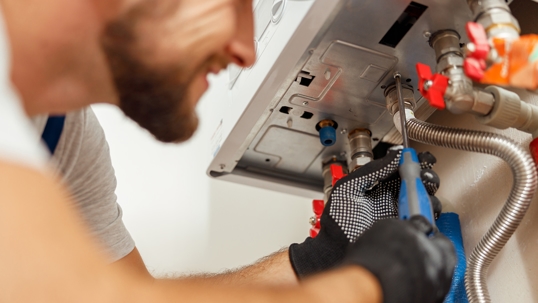
Sulfide Bacteria in Water Heaters – A Common Problem in Texas Homes
If your hot water smells like rotten eggs, sulfur, or sewage, the cause is almost always hydrogen sulfide gas (H₂S) created by sulfide-producing bacteria inside the water heater.
This issue is very common in Texas homes, especially in:
- Rental properties
- Airbnbs and short-term rentals
- Homes left unused when owners go on vacation
- Newly purchased or temporarily vacant houses
Homes in Houston, Spring, Cypress, Conroe, Magnolia, Tomball, and Montgomery County are especially prone due to warm temperatures, water conditions, and periods of low water usage.
What Causes the Rotten Egg Smell in Hot Water?
The odor forms when:
- Water sits unused for extended periods
- Oxygen levels inside the water heater drop
- A low-oxygen environment allows sulfide bacteria to grow
- These bacteria react with the magnesium anode rod inside the water heater
- Hydrogen sulfide gas (H₂S) is released into the hot water
This problem usually affects hot water only, while cold water smells normal.
⚠️ This is not a mechanical failure of the water heater.
It is a biological and water-quality issue.
Why This Happens in Rentals, Airbnbs & Unused Homes
Sulfide bacteria thrive when water usage is inconsistent. This is why the issue is common when:
- Rental units sit empty between tenants
- Airbnbs are vacant between guests
- Homeowners leave for extended vacations
- A home is not regularly occupied
During these periods:
- Water stagnates inside the tank
- Oxygen is depleted
- Bacteria multiply rapidly, especially in warm Texas conditions
Why Flushing the Water Heater Does NOT Fix the Problem
Many homeowners are told to flush the water heater, but:
- Flushing removes loose sediment
- It is preventive maintenance only
- It does not eliminate established sulfide bacteria
Once bacteria colonize the tank:
- They embed into scale and internal surfaces
- The odor almost always returns after flushing
👉 Flushing helps prevent the problem but does not correct it once present.
Chlorination: Temporary and Often Ineffective Long-Term
Chlorination (shock treatment) may reduce odor temporarily, but:
- Requires high chlorine levels
- Takes 4–24 hours with no water usage
- Is inconvenient for occupied homes and rentals
- Does not remove contaminated tank surfaces
- Odor frequently returns
Chlorination treats symptoms, not the root cause.
The Correct Long-Term Solution
⚠️ Important to Know:
Replacing the water heater alone is NOT enough.
Most new water heaters come factory-installed with a magnesium anode rod, which can recreate the sulfur odor even in a brand-new tank if sulfide bacteria are present in the water supply.
Proper Water Heater Replacement for Sulfide Issues
A professional and permanent solution includes:
✅ Replace the Water Heater
This removes:
- Contaminated internal tank surfaces
- Embedded bacterial growth
✅ Replace the Anode Rod (Required)
The factory magnesium anode rod must be replaced with:
✔ Aluminum anode rod
✔ Aluminum/zinc anode rod (preferred for recurring sulfur odor problems)
Zinc helps suppress bacterial growth and significantly reduces odor recurrence.
⚠️ Skipping this step is the most common reason the smell comes back.
Tankless Water Heaters: The Most Reliable Solution
For properties with repeated odor issues, tankless water heaters are often the best option.
Tankless systems:
- Do not store water
- Do not use anode rods
- Do not allow stagnation
- Eliminate the conditions required for sulfide bacteria growth
This makes tankless ideal for:
- Rentals
- Airbnbs
- Vacation homes
- Homes with inconsistent water use
Why This Is Often NOT Covered by Warranty
Manufacturer and home warranties commonly deny coverage because:
- The water heater is not defective
- The issue is water-quality related
- Bacterial growth is considered an environmental condition
Final Takeaway for Texas Homeowners & Property Owners
- ❌ Flushing does not fix sulfide bacteria
- ❌ Chlorination is temporary
- ✅ Replacement must include anode rod change
- ✅ Aluminum or aluminum/zinc anode rods are required
- ✅ Tankless systems eliminate the problem entirely
If your home or rental:
- Sat unused
- Was vacant between tenants
- Was empty during a long vacation
- Has recurring sulfur odor
You need a permanent solution, not repeated temporary treatments.
Serving Houston & Surrounding Areas
IGD Plumbing & Air is a licensed and insured Texas plumbing and HVAC company experienced in diagnosing and permanently resolving sulfur odor issues.
Sulfide Bacteria in Water Heaters – A Common Problem in Texas Homes
If your hot water smells like rotten eggs, sulfur, or sewage, the cause is almost always hydrogen sulfide gas (H₂S) created by sulfide-producing bacteria inside the water heater.
This issue is very common in Texas homes, especially in:
- Rental properties
- Airbnbs and short-term rentals
- Homes left unused when owners go on vacation
- Newly purchased or temporarily vacant houses
Homes in Houston, Spring, Cypress, Conroe, Magnolia, Tomball, and Montgomery County are especially prone due to warm temperatures, water conditions, and periods of low water usage.
What Causes the Rotten Egg Smell in Hot Water?
The odor forms when:
- Water sits unused for extended periods
- Oxygen levels inside the water heater drop
- A low-oxygen environment allows sulfide bacteria to grow
- These bacteria react with the magnesium anode rod inside the water heater
- Hydrogen sulfide gas (H₂S) is released into the hot water
This problem usually affects hot water only, while cold water smells normal.
⚠️ This is not a mechanical failure of the water heater.
It is a biological and water-quality issue.
Why This Happens in Rentals, Airbnbs & Unused Homes
Sulfide bacteria thrive when water usage is inconsistent. This is why the issue is common when:
- Rental units sit empty between tenants
- Airbnbs are vacant between guests
- Homeowners leave for extended vacations
- A home is not regularly occupied
During these periods:
- Water stagnates inside the tank
- Oxygen is depleted
- Bacteria multiply rapidly, especially in warm Texas conditions
Why Flushing the Water Heater Does NOT Fix the Problem
Many homeowners are told to flush the water heater, but:
- Flushing removes loose sediment
- It is preventive maintenance only
- It does not eliminate established sulfide bacteria
Once bacteria colonize the tank:
- They embed into scale and internal surfaces
- The odor almost always returns after flushing
👉 Flushing helps prevent the problem but does not correct it once present.
Chlorination: Temporary and Often Ineffective Long-Term
Chlorination (shock treatment) may reduce odor temporarily, but:
- Requires high chlorine levels
- Takes 4–24 hours with no water usage
- Is inconvenient for occupied homes and rentals
- Does not remove contaminated tank surfaces
- Odor frequently returns
Chlorination treats symptoms, not the root cause.
The Correct Long-Term Solution
⚠️ Important to Know:
Replacing the water heater alone is NOT enough.
Most new water heaters come factory-installed with a magnesium anode rod, which can recreate the sulfur odor even in a brand-new tank if sulfide bacteria are present in the water supply.
Proper Water Heater Replacement for Sulfide Issues
A professional and permanent solution includes:
✅ Replace the Water Heater
This removes:
- Contaminated internal tank surfaces
- Embedded bacterial growth
✅ Replace the Anode Rod (Required)
The factory magnesium anode rod must be replaced with:
✔ Aluminum anode rod
✔ Aluminum/zinc anode rod (preferred for recurring sulfur odor problems)
Zinc helps suppress bacterial growth and significantly reduces odor recurrence.
⚠️ Skipping this step is the most common reason the smell comes back.
Tankless Water Heaters: The Most Reliable Solution
For properties with repeated odor issues, tankless water heaters are often the best option.
Tankless systems:
- Do not store water
- Do not use anode rods
- Do not allow stagnation
- Eliminate the conditions required for sulfide bacteria growth
This makes tankless ideal for:
- Rentals
- Airbnbs
- Vacation homes
- Homes with inconsistent water use
Why This Is Often NOT Covered by Warranty
Manufacturer and home warranties commonly deny coverage because:
- The water heater is not defective
- The issue is water-quality related
- Bacterial growth is considered an environmental condition
Final Takeaway for Texas Homeowners & Property Owners
- ❌ Flushing does not fix sulfide bacteria
- ❌ Chlorination is temporary
- ✅ Replacement must include anode rod change
- ✅ Aluminum or aluminum/zinc anode rods are required
- ✅ Tankless systems eliminate the problem entirely
If your home or rental:
- Sat unused
- Was vacant between tenants
- Was empty during a long vacation
- Has recurring sulfur odor
You need a permanent solution, not repeated temporary treatments.
Serving Houston & Surrounding Areas
IGD Plumbing & Air is a licensed and insured Texas plumbing and HVAC company experienced in diagnosing and permanently resolving sulfur odor issues.